
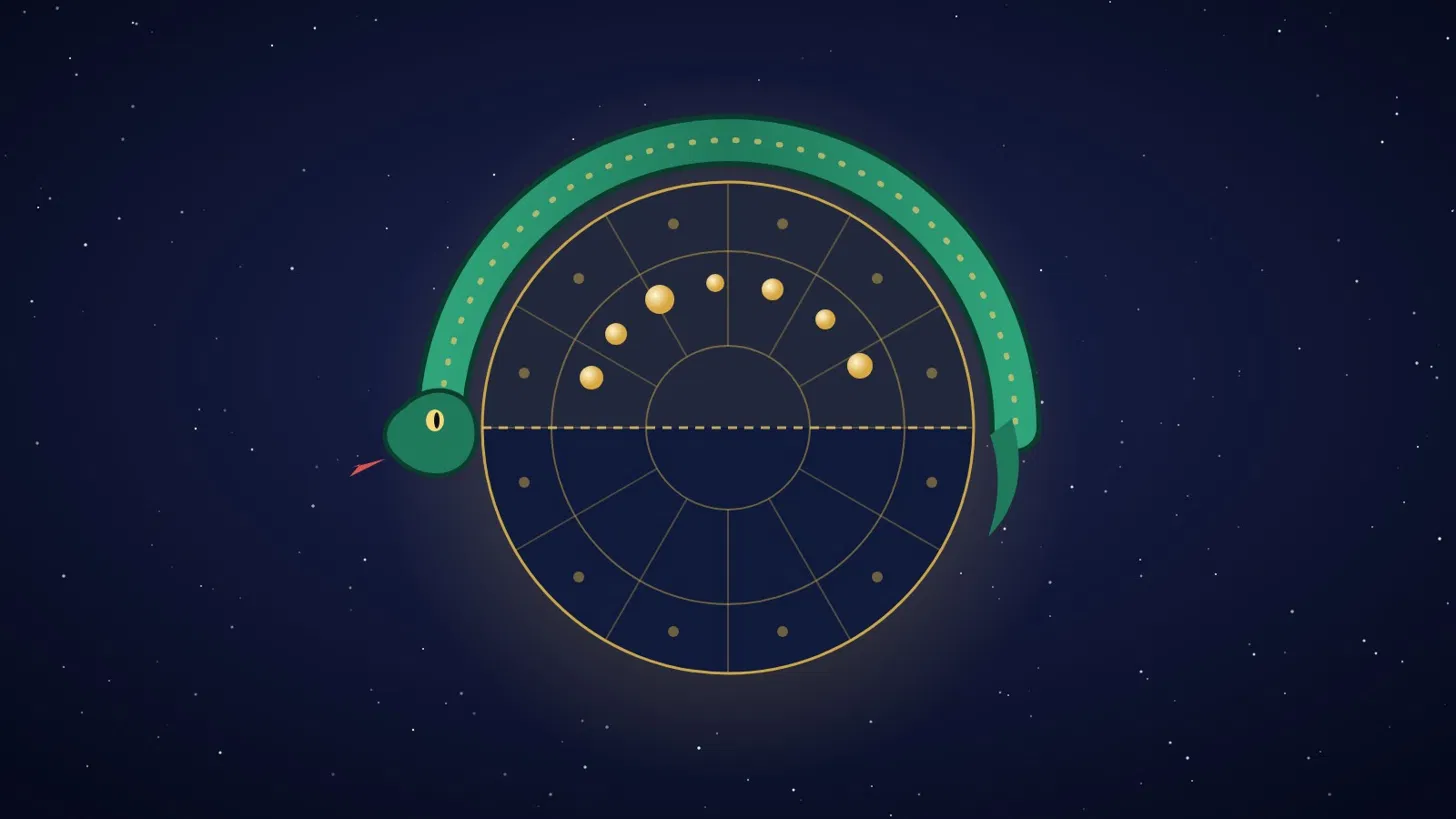
“You have Kaal Sarp Dosh.” A few phrases in Indian astrology cause more worry, especially when a costly puja is suggested in the same breath.
So let’s slow down. Kaal Sarp Yoga is a real pattern worth understanding. But it is not a curse; it does not decide your life, and it is not even in the oldest classical texts.
What is Kaal Sarp Dosh?
Kaal Sarp Dosh forms when all seven planets (Sun, Moon, Mars, Mercury, Jupiter, Venus, and Saturn) sit on one side of the Rahu-Ketu axis. One half of the chart holds all seven planets, and the other half holds none.
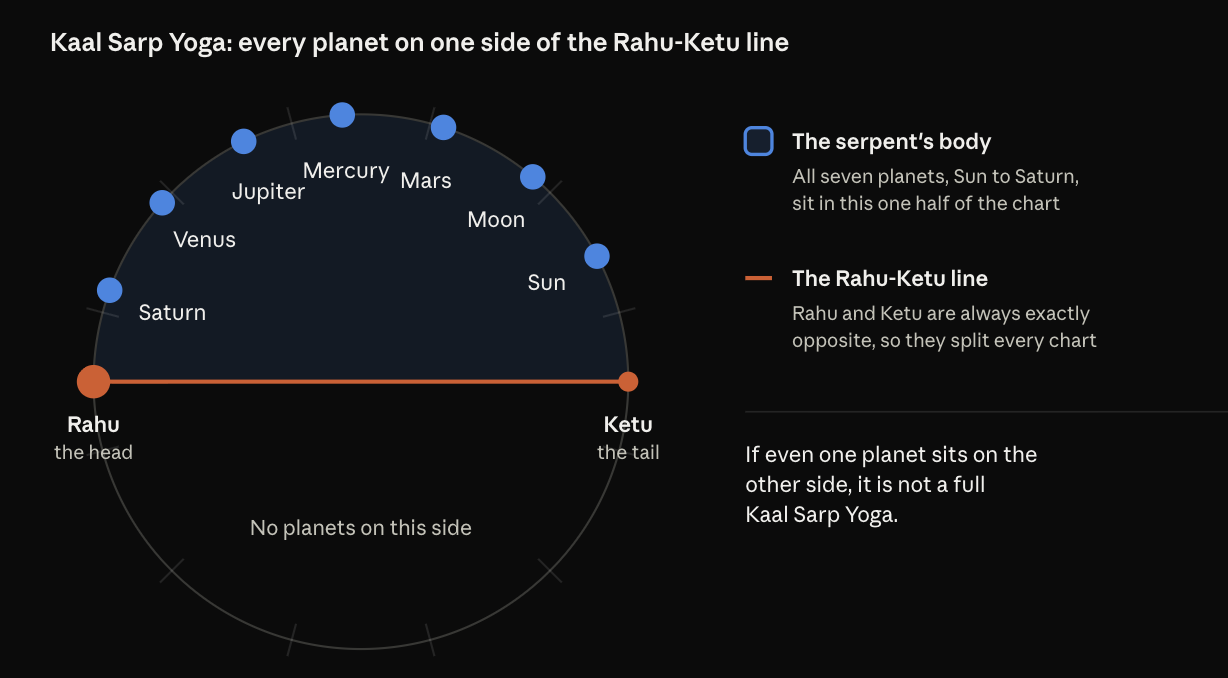
It is often called Kaal Sarp Dosh (flaw). We call it a yoga (combination) because it is a pattern in your chart, not a verdict on your life.
The cause: Rahu and Ketu
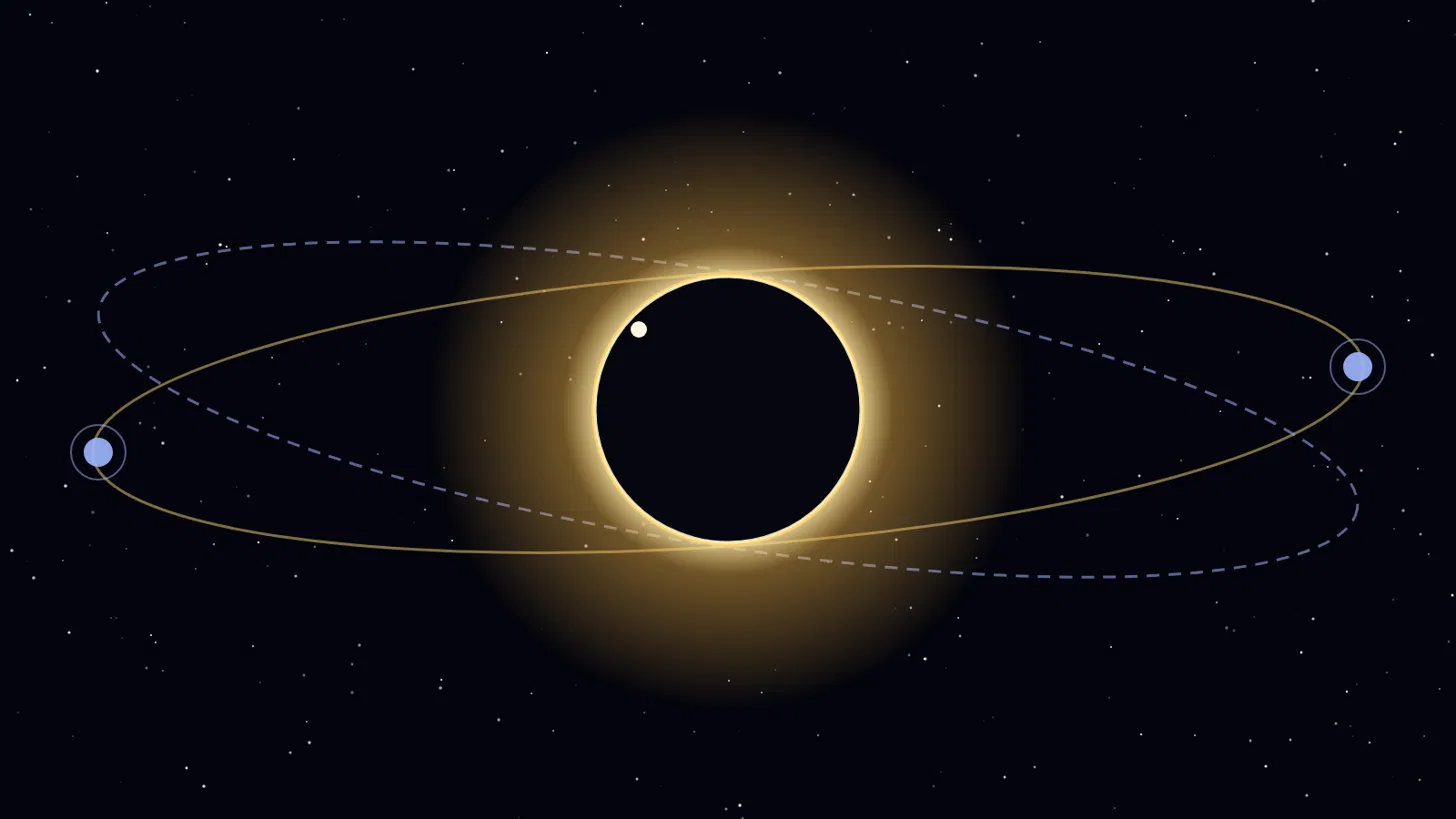
Rahu and Ketu are not physical planets. They are the two points where the Moon’s path crosses the Sun’s path, and eclipses happen near them. They are always exactly opposite each other, so they draw a straight line across every chart.
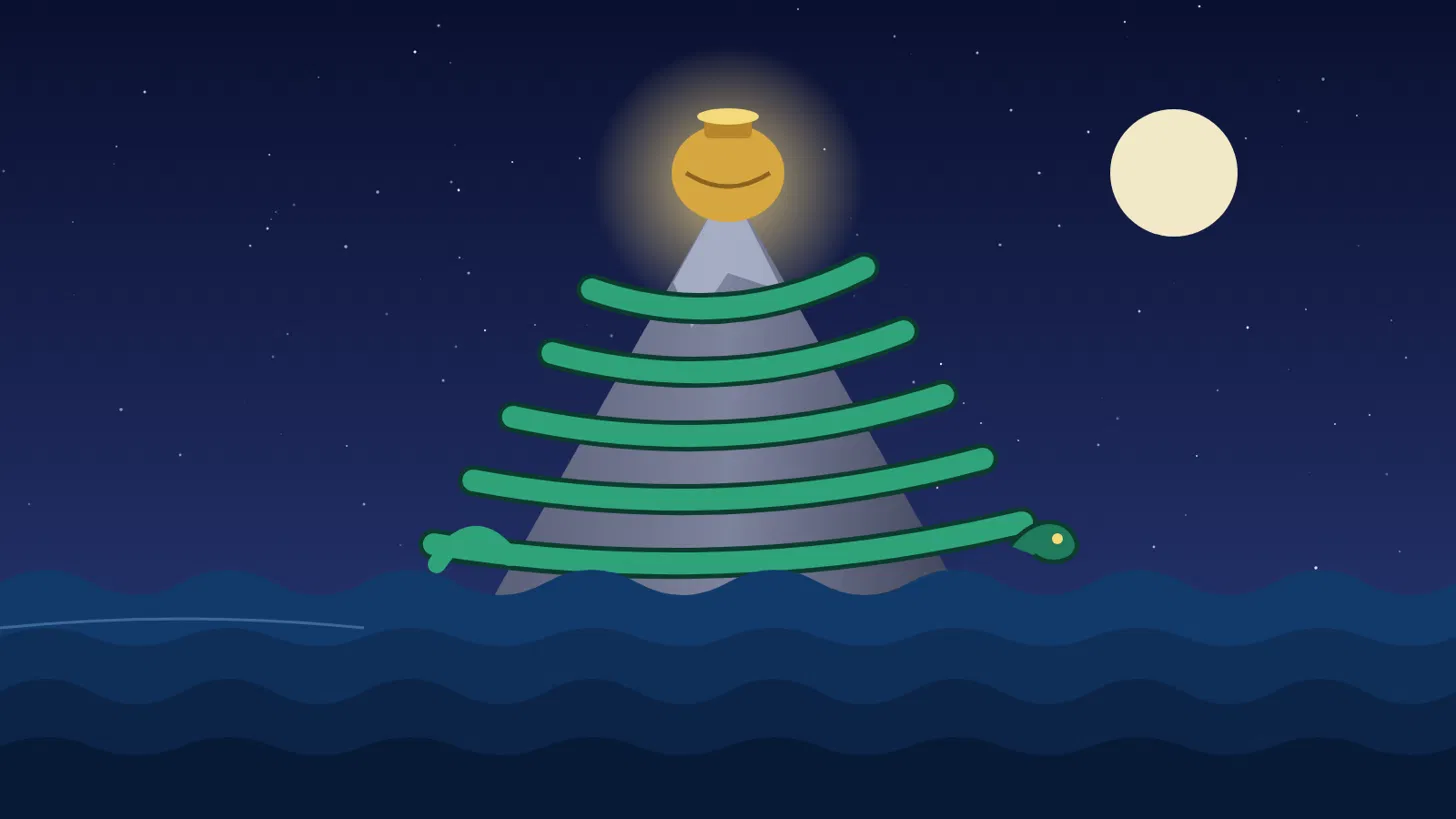
In the myth, the demon Svarbhanu sipped the nectar of immortality before Vishnu cut off his head. The head became Rahu, and the body became Ketu.
- Rahu is ambition and hunger: what you chase and want to grow into.
- Ketu is detachment and instinct: what you already know and hold lightly.
Why “the serpent of time”?
Kaal means time, and Sarpmeans serpent. Rahu is the serpent’s head, Ketu is its tail, and every planet sits inside its body. This depicts the wheel of time constantly throwing new challenges in life. There is constant uncertainty, confusion, and sudden life-transforming events in life.
Surprisingly, the idea is not in major classical texts such as the Brihat Parashara Hora Shastra. It became popular in the 20th century, so astrologers still debate its weight.
Full or partial
If even one planet sits outside the Rahu-Ketu line or right on it with Rahu or Ketu, the pattern is partial (Anshik). It is considered much milder, and many astrologers don’t count it at all.
The 12 types of Kaal Sarp Dosh
Each type is named after a mythical serpent, by the house Rahu sits in (Ketu sits opposite).
| Type | Rahu / Ketu | Life theme (Rahu grows, Ketu lets go) |
|---|---|---|
| Anant | 1st / 7th | Sense of self, balanced with partnerships |
| Kulik | 2nd / 8th | Money and family, balanced with change |
| Vasuki | 3rd / 9th | Courage and skills, balanced with beliefs |
| Shankhpal | 4th / 10th | Home and roots, balanced with career |
| Padma | 5th / 11th | Creativity, balanced with networks |
| Mahapadma | 6th / 12th | Discipline, balanced with rest |
| Takshak | 7th / 1st | Partnerships, balanced with self-confidence |
| Karkotak | 8th / 2nd | Transformation, balanced with stability |
| Shankhachud | 9th / 3rd | Big beliefs, balanced with daily effort |
| Ghatak | 10th / 4th | Ambition, balanced with home life |
| Vishdhar | 11th / 5th | Big goals, balanced with play |
| Sheshnag | 12th / 6th | Letting go, balanced with routine |
Every type has two sides. The real theme is tension between two areas of life, not doom.
How it affects the kundli
Astrologers who work with this pattern describe themes like these:
To really understand the effects of Kaal Sarp Dosh, first we need to focus on how Rahu and Ketu operate. Rahu and Ketu are considered unconventional planets; they challenge traditional norms of society. They often redefine principles of morality and are not afraid to adopt an unconventional approach to achieve their purpose. Most successful individuals like Jawaharlal Nehru and Sachin Tendulkar also have Kaal Sarp Yoga; these people defied norms and redefined success to set a new benchmark for success. Here we need to analyze the dignity of Rahu and Ketu and the position of other planets in the chart. Similarly, the affliction of Rahu and Ketu can give major challenges, uncertainty, and sudden ups and downs in life.
- Intensity and focus. Set up ambitious goals in life and are not afraid to take risks; also adopt unethical means to achieve success. Must adopt a realistic approach; do not set delusional, unrealistic aspirations.
- Effort before ease. Things may take longer, then move quickly once they click.
- Turning points. Rahu and Ketu are eclipse points, so life may change direction in chapters of growth. Often have to make decisions under challenging circumstances.
- A searching streak. Rahu wants more; Ketu asks what really matters. Have extreme contradictions in their thinking and behavior.
It colors the chart rather than replacing it. A strong lagna lord, a well-placed Jupiter, or a Raja Yoga still works. Its themes tend to feel louder during Rahu or Ketu dasha periods.
Myths and the honest take
“My life will be full of problems.” No single pattern decides a life. Many people with this pattern live full, successful lives.
“I need an expensive puja right now.” Be wary of urgency paired with a price tag. A good reading explains calmly and never pressures you.
“Something bad will happen.” Astrology describes tendencies, not specific events.
Working with Kaal Sarp Dosh
Many people find meaning in traditional practices such as devotion to Lord Shiva, the Maha Mrityunjaya mantra, or a shanti puja at Trimbakeshwar. These are matters of faith, not something to rush or overspend on.
Practically, find which houses Rahu and Ketu sit in. Grow patiently into Rahu’s area, and don’t neglect Ketu’s.
Frequently asked questions
What is Kaal Sarp Dosh?
A pattern in a Vedic birth chart where all seven planets, Sun to Saturn, sit on one side of the line between Rahu and Ketu.
Is Kaal Sarp Dosh bad?
Not in the way it is often made to sound. It is read as a pattern of focus and effort, and its effect depends on the rest of the chart.
Is Kaal Sarp Dosh in the classical texts?
No. It does not appear in major texts such as the Brihat Parashara Hora Shastra, which is why astrologers still debate it.